

Blog
What Does a Wedding Decorator Do? A Complete Guide for DFW Couples

Most couples know they need a wedding decorator. Fewer know exactly what they are paying for, what the decorator is responsible for, what they are not responsible for, and how the whole process actually works from the first meeting to the moment guests walk in. That gap is where confusion starts and where expectations go wrong.
This guide covers exactly what a wedding decorator does, step by step, written from the perspective of a working decorator who has designed over 100 weddings and celebrations across the DFW area. For South Asian and multicultural couples planning multiple functions, a dedicated section explains what a decorator does differently when the wedding spans an entire week.
A wedding decorator designs and installs the visual elements of your wedding: stage, backdrop, aisle, arch, florals, centerpieces, lighting, and everything guests see. They work from consultation through to on-site installation and breakdown. They do not manage vendors, build timelines, or coordinate logistics. That is the planner’s role.
What a Wedding Decorator Does: The Short Answer
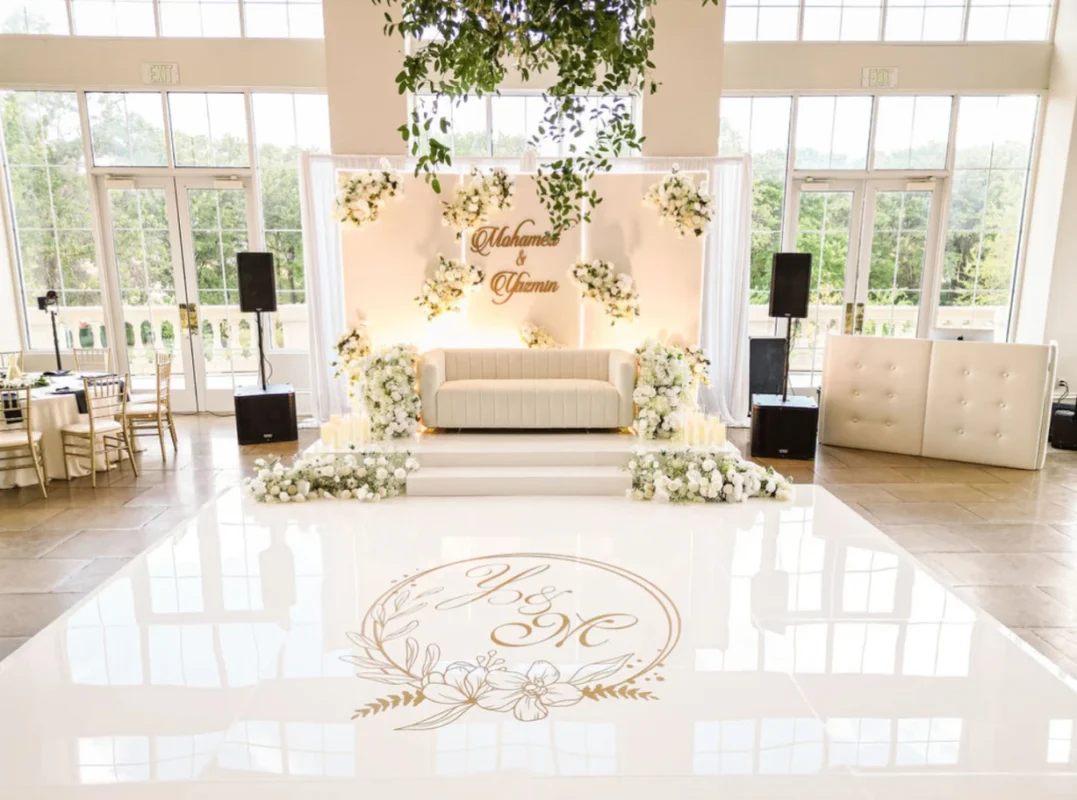
A wedding decorator is responsible for your wedding’s look. Every visual element that transforms a plain venue into the setting you imagined is the decorator’s work. That includes the stage and backdrop, the ceremony arch, the aisle, the entrance and welcome decor, the florals, the table centerpieces, the lighting, the signage, and the full room installation.
What a decorator does not do: manage vendors, build the wedding timeline, coordinate logistics between suppliers, or oversee the day’s schedule. That is the wedding planner’s role. If you are unsure about the difference, read our guide on the difference between a wedding decorator, planner, and coordinator.
What a Wedding Decorator Does: Stage by Stage
Stage 1: The Consultation
In the first meeting, the decorator learns everything needed to begin designing. A thorough consultation covers your venue, functions, cultural traditions, color palette, guest count, budget, and visual references. At Wedding Wonders, this is always a free consultation, and Uzma Atif leads it personally.
What comes out of a good consultation: a clear understanding of the scope, a realistic picture of what the budget can deliver, and enough detail to begin the design process without another back-and-forth for basic information.
What a consultation is not: a sales presentation. If your decorator spends the first meeting telling you how great they are and not asking questions about your wedding, that is a warning sign.
Stage 2: The Design Proposal
After the consultation, the decorator develops a custom design concept for your wedding. This covers every visual element: what the stage will look like, what the arch will be made of, what palette the florals will follow, where the centerpieces will sit, and how the lighting will work in your specific venue.
A proper design proposal lets you see the full vision before sourcing a single item. You should be able to review, revise, and approve the design before the decorator commits to any purchases or rentals. If a decorator goes straight from consultation to sourcing without showing you the design first, you have no way to know whether what arrives on your wedding day matches what you imagined.
The design proposal stage is where most mismatches between expectation and result are either caught or missed. A decorator who presents a detailed visual proposal before sourcing is the one who will deliver what you agreed. One who skips the proposal and goes straight to installation is the one who creates surprises.
Stage 3: Sourcing and Production
Once the design is approved, the decorator sources every decorative element: florals, fabric, structural frames, lighting equipment, signage, and every other piece of the design. For custom elements like personalized welcome signs, monograms, and jaali panels, this stage involves fabrication or custom ordering.
For South Asian weddings with multiple functions, this stage involves sourcing for each function separately while maintaining a cohesive design thread across the whole week. A Mehndi setup and a Barat reception use completely different palettes and elements, but they should feel like they belong to the same wedding.
Stage 4: Venue Walkthrough and Coordination
Before the wedding day, a good decorator visits or coordinates with your venue to confirm access windows, attachment restrictions, ceiling heights, electrical points, and any other practical details that affect the installation plan. For DFW hotels and banquet halls, this often happens in the weeks before the event.
This stage is where many inexperienced decorators skip a step that experienced ones never miss. A venue walkthrough prevents the most common on-site problems: discovering the ceiling is too low for the arch you designed, that the venue doesn’t allow open flame, or that the setup window is shorter than the installation requires.
Stage 5: On-Site Installation
On the day of each function, the decorator arrives during the access window and installs the complete setup: stage, backdrop, arch, aisle, florals, centerpieces, lighting, signage, and every other element. For a complex South Asian wedding with multiple functions across multiple days, this means multiple installation days and a team that coordinates the logistics of each one.
Installation day is when the design becomes real, and when the quality of the decorator’s work becomes visible. Everything that was agreed in the design proposal is checked against what is in front of you. A good decorator solves the small problems that always arise on installation day without involving the couple. A less experienced one brings those problems to the couple at the worst possible moment.
Stage 6: Day-of Support
The decorator is present on installation day and typically available for the first part of the event to confirm everything is in order. They are not the day-of coordinator and don’t manage the event timeline, but they handle any decoration-related adjustments needed before guests arrive.
Stage 7: Breakdown and Removal
After the event, the decorator removes every decorative element they installed, returns rentals, and leaves the venue clean. Most DFW venues require breakdown within a set window after the event ends. The decorator manages this process so the couple and their family do not have to.
What a Wedding Decorator Does for South Asian and Multicultural Weddings
For Pakistani, Indian, and multicultural couples planning multiple functions across a wedding week, a decorator’s scope is much broader than for a single-function ceremony.
Designing Each Function Distinctly
A South Asian wedding can involve four to seven separate events: Dholki, Haldi, Mehndi, Sangeet, Nikkah or ceremony, Barat, Walima, or reception. Each function has its own visual identity, cultural references, and mood. A decorator who understands South Asian weddings designs each function as its own complete setup, not a variation of a shared template.
- Mehndi: Colorful, layered, festive, often with floor seating, a decorated jhoola, and marigold and mirror accents.
- Nikkah: Refined, serene, often in white and ivory, with a floral arch or jaali panel backdrop suited to the ceremony’s significance.
- Barat: Grand, high-impact, often the most elaborate setup of the week, with a stage build, full floral installation, mirror aisle, and lighting transformation.
- Walima or reception: Elegant and celebratory, with a sweetheart stage, coordinated centerpieces, and a full room design that closes the week.
Understanding Cultural Requirements
A decorator who works with South Asian weddings understands that the decor carries cultural meaning, not just aesthetic weight. The palette at a Nikkah is not the same palette as a Mehndi. The arch at a Hindu ceremony mandap serves the ritual, not just the photograph. The jaali panel at a Pakistani reception references a Mughal tradition that guests in the room recognize immediately.
These are not details a generic decorator picks up from a Pinterest board. They come from genuine experience designing for the community, and they are the difference between a wedding that looks decorated and one that feels right.
Coordinating Across Multiple Venues and Days
Multi-function weddings in DFW often involve different venues for different functions: a home or garden for the Mehndi, a masjid or mandap for the ceremony, a hotel ballroom for the reception. A decorator managing the full week coordinates installation and breakdown across each location, builds a timeline that fits within each venue’s access window, and maintains a consistent design thread across all of them.
What a Wedding Decorator Does NOT Do
Understanding the boundaries of the role matters as much as understanding the scope. Setting the right expectations prevents the most common friction points between couples and decorators.
- They do not manage other vendors. The decorator does not coordinate your photographer, caterer, DJ, or florist. That is the wedding planner’s role.
- They do not build or manage the event timeline. The decorator’s job ends when the space looks right. The coordinator manages what happens during the event.
- They do not handle catering, entertainment, or guest logistics. Anything beyond the space’s visual environment is outside their scope.
- They do not provide furniture unless it is part of the agreed design. If you need a specific sofa or throne for the stage, confirm it is included in the decorator’s scope before you sign the contract.
How to Know You Have Found the Right Wedding Decorator in DFW
The decorator right for your wedding isn’t necessarily the one with the most Instagram followers or the widest portfolio. Here is what actually matters:
- They ask more questions than you do in the first meeting. A decorator who spends the consultation asking about your venue, your functions, your traditions, and your vision is one who will design specifically for you.
- They show you a design before sourcing anything. No surprises. No post-installation disappointments. They agree on the design before ordering anything.
- They have real reviews from real couples like you. For South Asian weddings, look for reviews that mention specific functions, cultural understanding, and on-site presence, not just generic praise.
- They are honest about budget. A decorator who tells you what your budget realistically delivers, rather than agreeing to everything and adjusting later, is the one who will not surprise you with a shortfall on the day.
- They are present on the day. The person who designs your wedding should be the person who installs it. Ask directly: Will you be there on installation day?
FAQs
What does a wedding decorator do?
A wedding decorator designs and installs the visual elements of your wedding: stage, backdrop, arch, aisle, florals, centerpieces, lighting, signage, and every decorative element that transforms a plain venue into the setting you imagined. They work from the first consultation through to on-site installation and post-event breakdown.
What is the difference between a wedding decorator and a wedding planner?
A decorator is responsible for how your wedding looks. A planner is responsible for how your wedding runs. For the full breakdown, see our guide on the difference between a wedding decorator, planner, and coordinator.
Does a wedding decorator come on the day of the wedding?
Yes. The decorator arrives during the venue’s setup window and installs the complete design before guests arrive. A good decorator, like Uzma Atif, is personally present on installation day, not just during the consultation.
What does a wedding decorator do differently for a South Asian wedding?
For a South Asian multi-function wedding, the decorator designs each event separately (Mehndi, Nikkah, Barat, Walima) with its own distinct setup, coordinates installation across multiple venues and days, and applies genuine cultural knowledge to each function rather than adapting a generic template.
How far in advance should I hire a wedding decorator in DFW?
For a full South Asian wedding week with multiple functions, book your decorator nine to twelve months ahead. For a single-function celebration, six months is typically sufficient. Popular dates in DFW book out quickly, especially in the spring and fall wedding seasons.
Do you provide wedding decoration services in DFW?
Yes. We design and install custom wedding decorations for every function across Irving, Dallas, Plano, Frisco, and the wider DFW area, for Pakistani, Indian, multicultural, and Western weddings.


